The Madras Medical College Story
Establishment of Allopathic Medical Care into Madras Medical College A small note on how it all began
- Establishment of Allopathic medical care started when the British men who arrived in India developed health problems. Surat and Machilipatnam were the first two settlements of the British in India. Englishmen who came to these two places were treated by the medical men who came in their ships (called the ship’s surgeons). Only when a permanent settlement was established in Madras, the need for a medical establishment was recognized and given place.
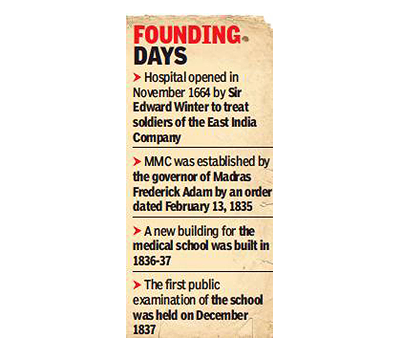
- With the founding of Madras in 1639 and the development of Fort St. George by 1640, a look was taken at more permanent medical facilities. On 10th November 1664, Governor Sir Edward Winter (representing the council of Fort St.george) wrote to the East India Company,
- "The fresh soldiers which came forth this year taking up their habitations in the bleak wind in the hall fell sick in that four of them are dead, and about ten remain at the time being sick and complain not without reason that the wages are not sufficient to supply them with what is necessary at the time of their sickness. So rather than see English men drop away like dogs in that manner for want of Christian charity towards them, we have thought it very convenient that they might have an house on purpose for them and people after them and to see that nothing comes in to them, neither meat nor drink but what the Doctor alloweth. We have for that purpose rented Mr. Cogan's house at two pagodas per month (about Rs.50 today), which we hope you will so well approve of as to continue it for the future." And so, Madras got its first Western style hospital.
- It was from this house (Mr Cogan’s house) in Fort St. George that the vast Indian health system was to develop. When the house proved inadequate, a large two-storey building was built in the 1680s to specifically serve as a hospital (probably between 1680 and 1688); the 838 pagodas it cost were raised by public subscription. A few years later Governor Elihu Yale persuaded his Council that a still bigger hospital was needed and, in his inimitable fashion, went ahead and did exactly what he wanted to do: Give Madras a new hospital in 1688 (or ? 1690 – may be the construction took two years) at a third location, just north of where the Fort Museum now is. Prior to moving to this new building, described to have been a handsome edifice in Tuscany style, in 1690, the hospital was, for a short period, housed in a rented premises. The church built the new building with 800 pagodas along with an advance of 1700 pagodas given by Elihu yale himself (Yale’s Contribution). Before long the Church asked to be relieved of the maintenance on the grounds that it was run mainly for soldiers and sailors. Fort St George ‘resolved for the future they (the Vestry) are discharg’d from contributing thereto, and only to pay the charge of such sick persons as they shall send thither; and that henceforward the Chirurgion, or Steward of the Hospitall,(the first name of the Head of the Hospital) render a monthly account to the Paymaster of the charge of said hospital.’ This shows that though primarily for the use of the military, others were also allowed to use the hospital, making it a combined civil and military institution, and so it remained during most of the British rule.
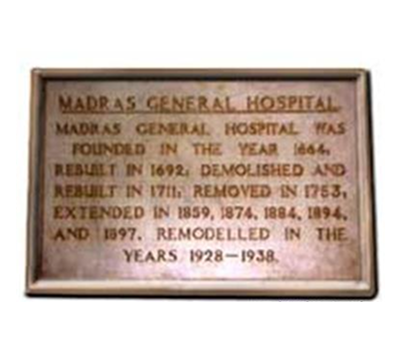
- A new hospital was built in 1711, as the old one was in a dilapidated condition. The cost, about 7000 pagodas, was met by public subscription, Government contributing 1500 pagodas. It was intended ‘for the use of all sick persons, Soldiers, Seamen, and poor Inhabitants,’ and was designed to accommodate from 100 to 150 patients. The French occupation of the Fort in 1746 and the subsequent wars of the Carnatic had the hospital moving from site to site, in and just outside the Fort, ever in search of greater space for its increased requirements.
- In 1753, the hospital moved to a new location (still not the present one). It was modified from a row of twelve houses, apparently of the type called town houses today, for they shared common side walls and an upper floor was constructed which ran the whole length of the building.
- In 1757 the surgeons demanded an expansion of the hospital. They wrote to the Government, ‘In the first place, We are humbly of Opinion that the Hospital should be made capable of Lodging Two hundred or Two hundred and fifty Men; and that there should be Salivating Rooms fitted up for Thirty at least, not more than five or Ten in a Room. Likewise that a Place be fitted up for the reception of two or three hundred Seamen against the Arrival of the Fleet.’ Further, ‘that there be a room fitted up for Operations, with Tables and Chairs for that purpose, and a Chest to keep Instruments and Bandages in ready prepared.’
- During much of the eighteenth century, England and France were at war, and relations between the French and English settlements in India swung between cordiality and mutual help, and open hostilities. The Company anticipated a major attack by the French on Madras in 1757, and preparations were made for the defence. The hospital stood on high ground with an open area between it and the fort, and the military engineers felt it would serve as a useful shelter for an invading force, and help it to mount an attack on the fort. Accordingly, the hospital was demolished and moved to rented accommodation yet again, but still not to its present location. Thanks to all these precautions, a superior French force was unable to take the Fort, and had to retreat after a siege of nearly two months, from 14 December 1757 to 9 February 1758.
- Eventually, it was decided to custom-build a hospital at a permanent location and, in 1772, a double block of buildings was inaugurated where the General Hospital now is. The two blocks were designed by Patrick Ross and built by John Sullivan for 42,000 pagodas. These were two blocks, ground floor only, but the foundations were designed to take an upper floor in course of time. It was intended to accommodate 300 men. It had been suggested that ‘Native Artificers are unequal to the Charge of any Work of Consequence, and that therefore Artificers from England were necessary: but this Opinion has been espoused with too much haste, for the Hospital and Arsenal, Works in which the Assistance of your Master Bricklayers and Master Carpenters would appear Necessary if at any time so, have been conducted by Black Mastrys without any assistance from them, and We are persuaded that they are equal to the execution of any Works that may be undertaken.’ In 1842, the hospital was a long, single-storey building in the shape of an H, one half being reserved for soldiers and the other for other sick Europeans. There were also a number of separate buildings, some for European women and children, and some for Indians of both sexes. Over the years, portions of the hospital were handed over to the civil authorities, and finally in 1899 the entire hospital was a civilian institution. The hospital was extensively remodelled in 1928, and took the shape it proudly retained some years ago.
- The buildings underwent changes over the years and acquired in two steps, in 1859 and 1893, more buildings. The expansions were undertaken to meet the growing civilian needs; in 1842, Indians were admitted for the first time, the hospital being described by the Madras Medical Board as "an institution “Madras Medical School” for the reception of sick, both European and Indian, civil and military". In 1899 it became a purely civil hospital.
- Madras Medical College, had its genesis in the Madras Medical School established as an adjunct of the Madras General Hospital in 1835. Surgeon Mortimer was in charge and the first students were ten Anglo Indian medical apprentices, to be trained to become apothecaries in time, and 11 Indians, to be trained to become dressers, but both taught diagnostic skills and aftercare. The institution became a college in 1850, Dr. James Shaw its first Principal. In 1863, it was affiliated to the University of Madras (founded in 1857) and degrees and diplomas were granted solely by the University.
From Anatomy Block to Red Fort to Museum
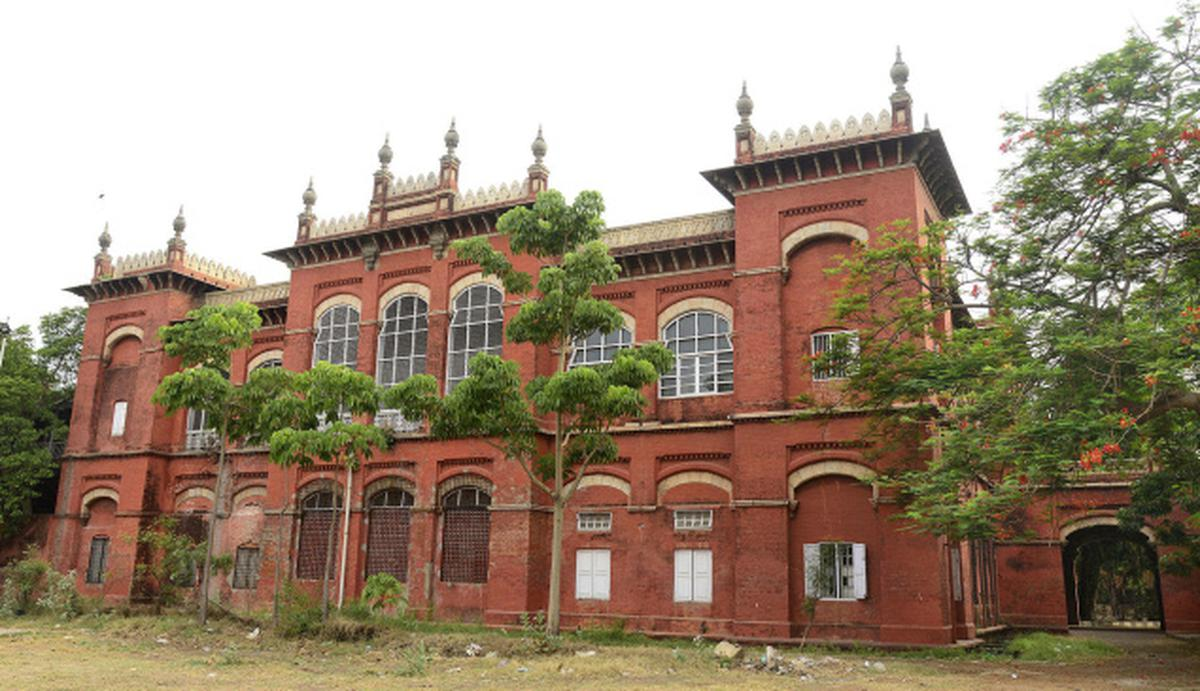
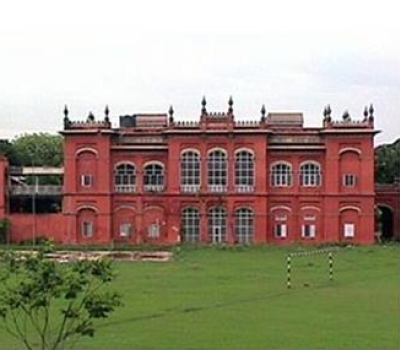
- The "Red Fort" at Madras Medical College is a 121-year-old, Grade I heritage building in Chennai that was built in 1897 to house the anatomy department. The building is constructed in the Indo-Saracenic style and is currently undergoing restoration to become a museum, which will feature exhibits on the history of the college and comparative anatomy.
An American Account
- By far the most cogent account of the way the MMC buildings developed is in an article dated November 26, 1904, written by Nicholas Senn, MD, Chicago for the Journal of the American Medical Association. The college began in 1835 and the first lectures were held in rooms adjoining the quarters of the Surgeon General of the General Hospital.
- The college got its own building a year later and this comprised four rooms – a library, a museum, a lecture hall that doubled as an operating theatre, and a laboratory. There was a major expansion in 1867. Then in 1883, a separate anatomy block was created with a theatre and a dissecting room.
- To this, an enlarged museum was added in 1887/88. Senn concludes by stating that ‘separate buildings for biologic and hygienic laboratories were added’ though he does not say when this was done.
But who designed the Anatomy Block
- From the above, it is safe to conclude that the anatomy block was in existence by 1883. However, in their book, Madras The Architectural Heritage, K Kalpana and Frank Schiffer record the date of construction as 1897. It was R.E. Ellis, who was in the 1890s Superintending Engineer, Government of Madras.
Commemorative Postal Stamp
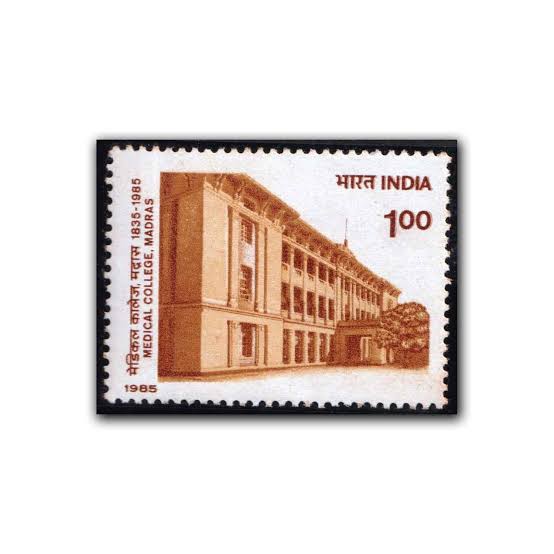
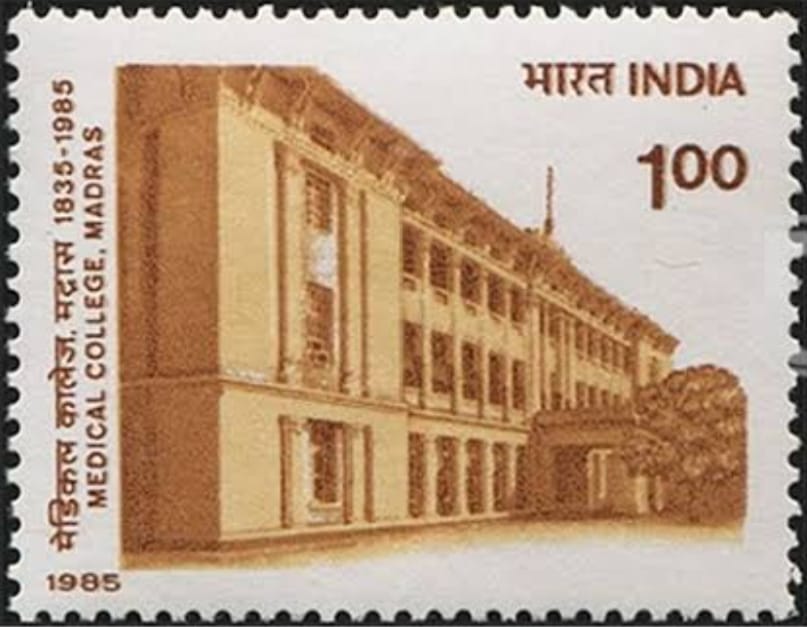
Madras Medical College was featured on a commemorative Indian postal stamp issued on March 6, 1985, to mark its 150th anniversary. The stamp displays the college's main building, a significant architectural landmark, and recognizes its contributions to medical education and healthcare.
- Reason for issuance: The stamp was released to celebrate the 150th anniversary of the institution.
- Date of issue: March 6, 1985.
- Depiction: The stamp features the main building of the college.
- Denomination: The stamp's denomination is Rs. 1.00 (or 100 paise).
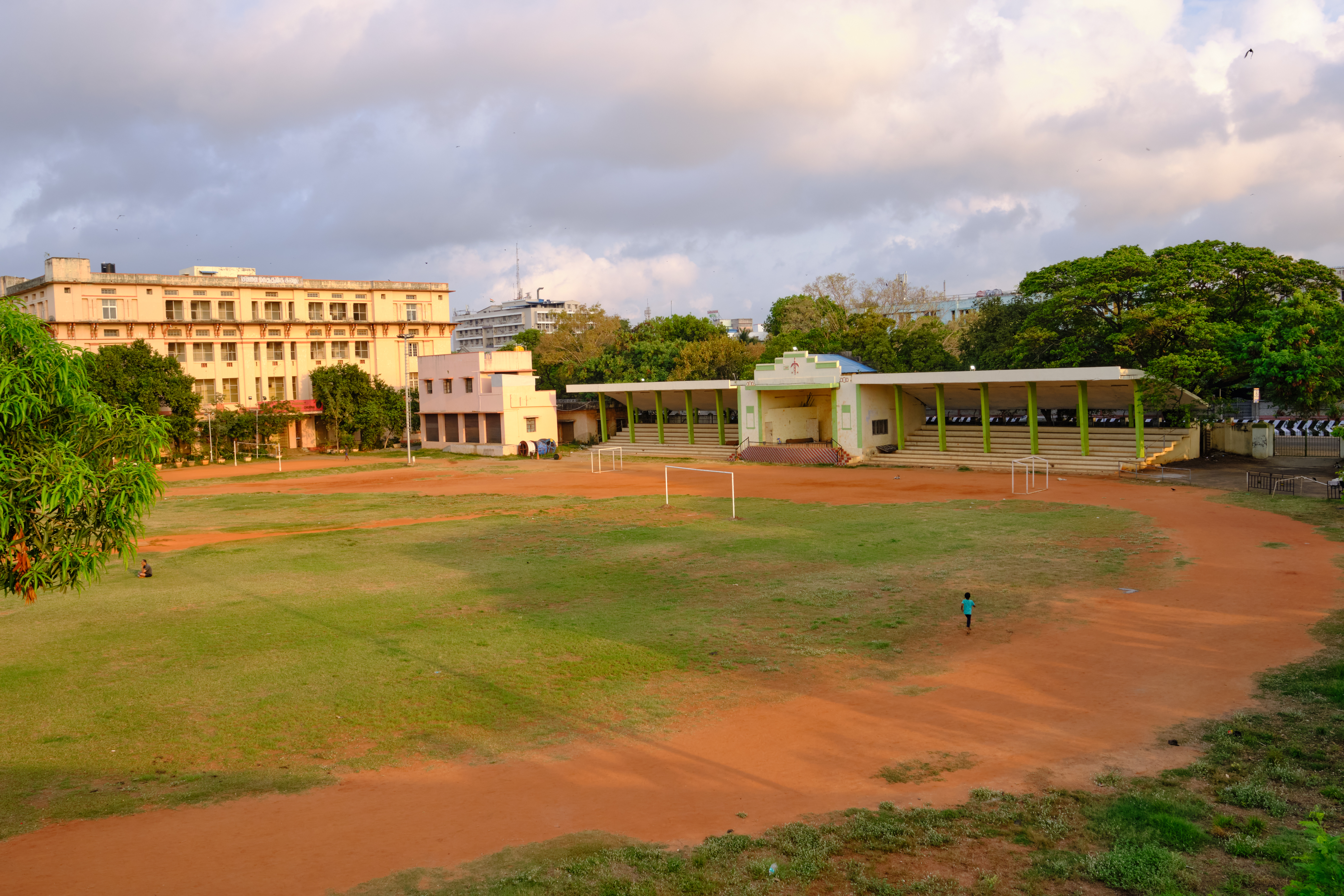
Hockey Ground
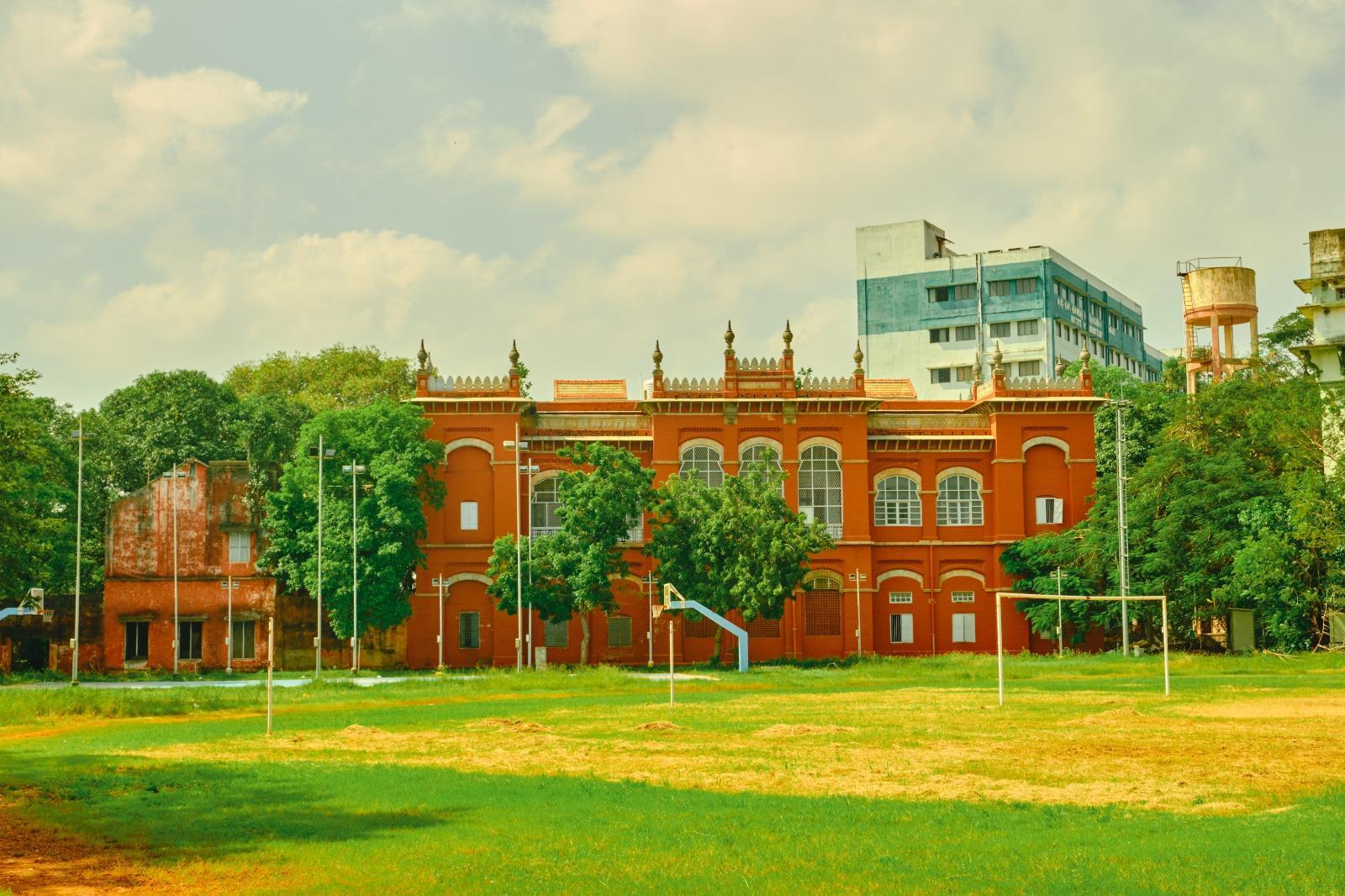
- Once used as a parking lot, the historic grounds of Madras Medical College (MMC) were revitalised in 2021 through a major renovation, restoring the space to its former prominence as a centre for sports and recreation.
- Hockey has deep roots at MMC, tracing back to the late 19th century when the sport was played at the Madras Cricket Club from 1894, with organised matches held from the 1920s. At the time, four major venues hosted hockey in the city: the South Indian Athletic Association grounds behind the Ripon Building, the Madras Guards ground (now the Pallavan Transport Corporation site), the Madras Cricket Club at Chepauk, and the MMC ground. Of these, only the MMC ground remains today. The venue is also believed to have hosted national-level matches featuring legendary players such as Major Dhyan Chand.
- Spanning approximately 2,97,983 square feet, the ground has been thoughtfully upgraded to meet modern sporting needs. It now includes a synthetic basketball court and a 380-metre athletic track, while continuing to support multiple outdoor sports such as cricket, football, hockey, volleyball, and athletics.
- Located in the densely populated Park Town area, the playground offers a rare and valuable open green space within an active medical campus. Beyond its sporting role, the facility contributes significantly to student life, promoting physical fitness, hosting inter-collegiate competitions, and enriching campus life beyond academics.
- As one of MMC’s enduring legacy spaces, the ground has quietly served generations of students over decades—standing as a living link between the institution’s rich sporting heritage and its present-day commitment to holistic education.
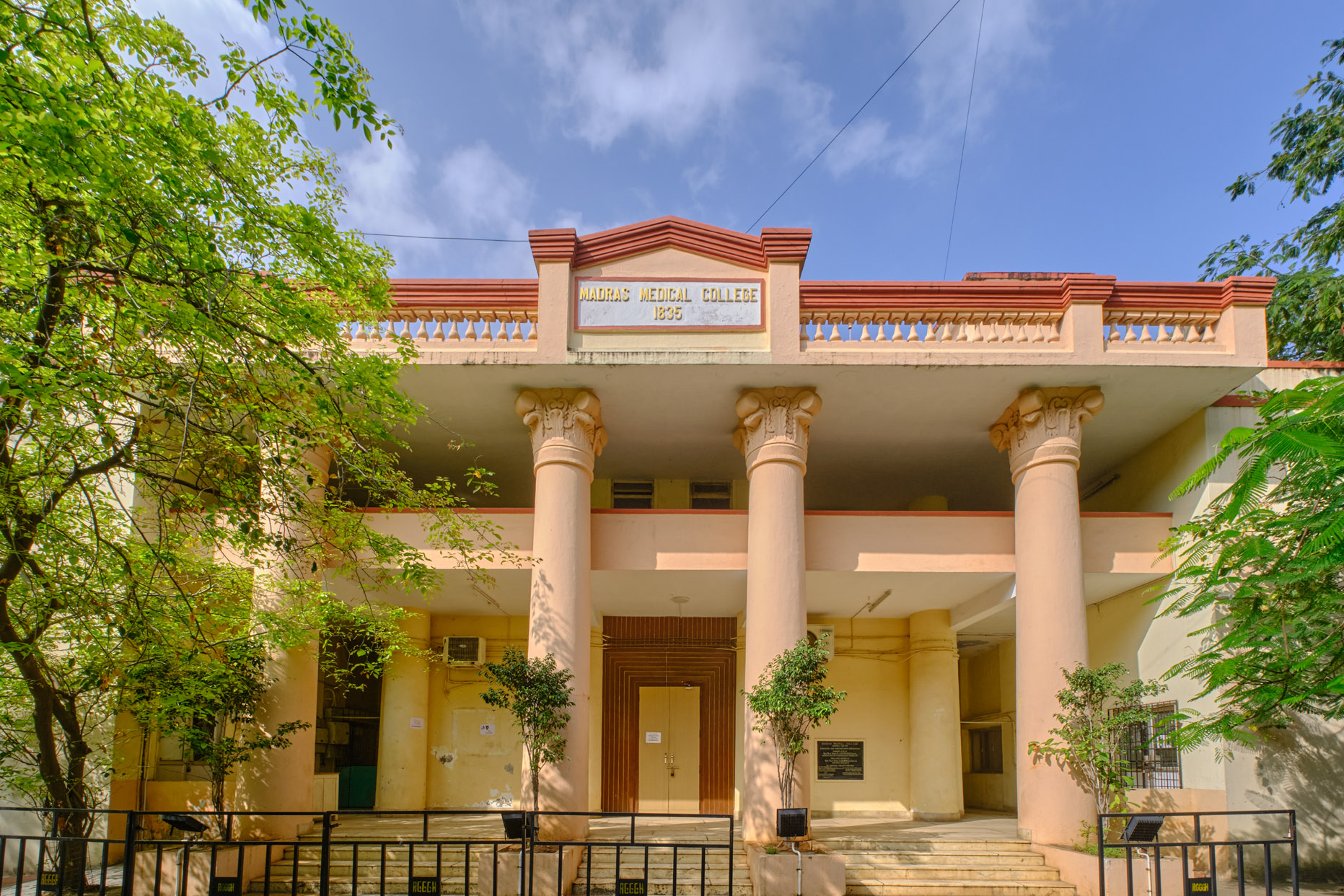
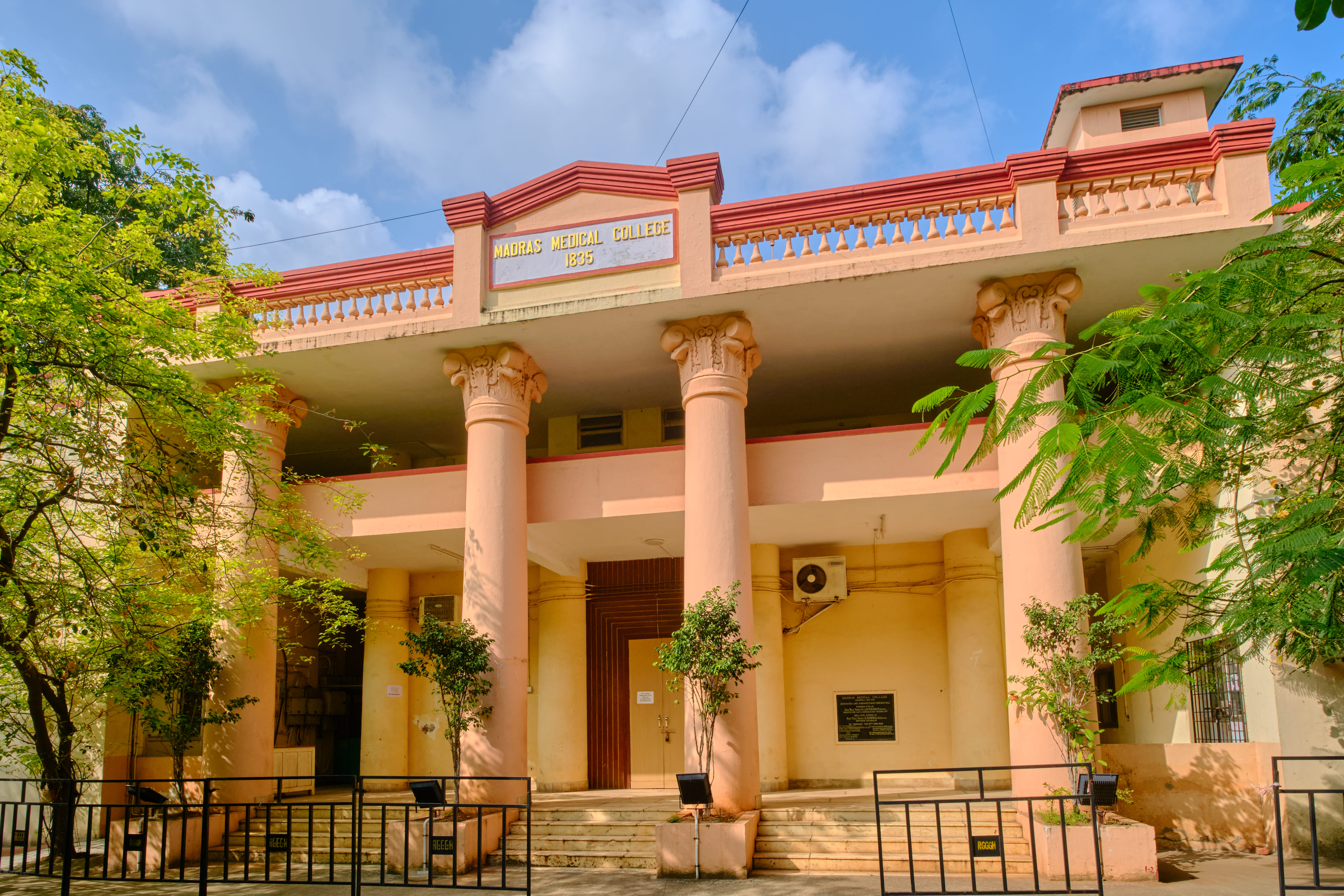
SEMINAR HALL
- The Madras Medical school was established in 1835 and later in 1850 became Madras Medical College. The historic seminar hall complex was built during this time. At that time, the complex housed the Dean’s office, administrative block, common hall for several departments.
- The seminar hall was renovated in the year 1965. It occupies pride of honour in the MMC buildings for holding conferences in which eminent speakers across the country and world participate.
- Scientific and ethical committees are regularly conducted in this hall. It is also the place where monthly clinical society meetings are conducted which brings out the newer talents of young doctors.
The Baobab Tree at Madras Medical College
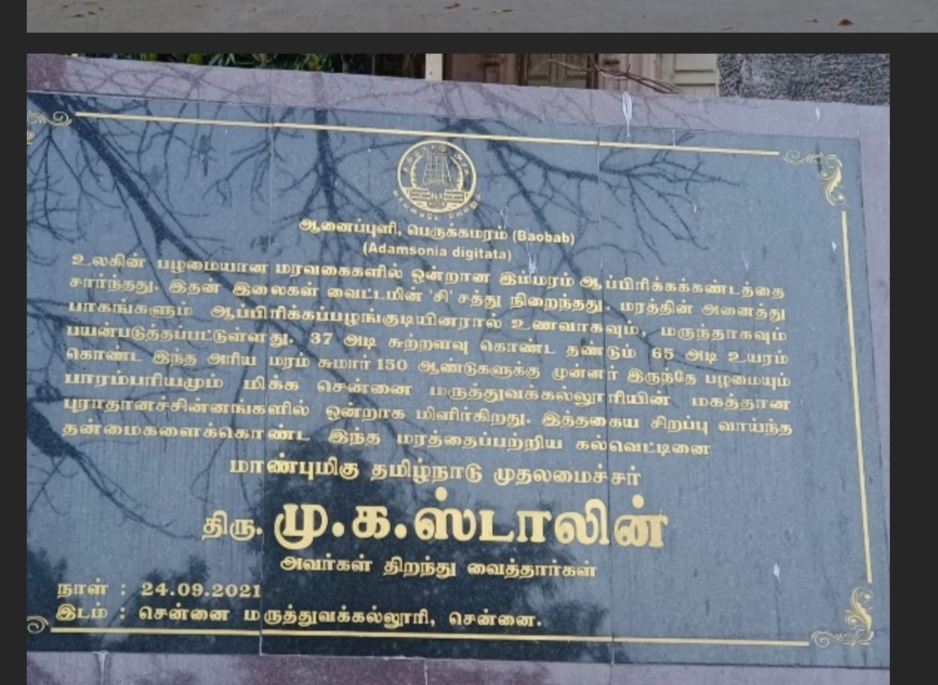
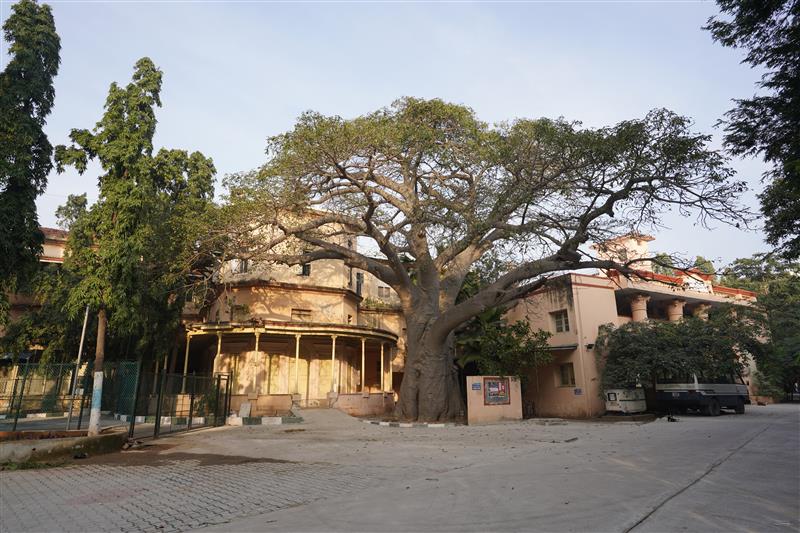
- The Baobab tree located within the Madras Medical College (MMC) campus is a rare African Baobab (Adansonia digitata), believed to have been planted around 200 years ago during the British colonial period. Native to Africa, possibly Madagascar, this species is known for its extraordinary longevity, often living for several thousand years.
- Distinguished by its massive trunk, the Baobab can store up to 5,000 liters of water, enabling it to survive prolonged dry seasons. Often called the “Elephant Tree,” it is known to provide water for wildlife in its native habitat.
- As a rare, non-native species in India, the MMC Baobab stands as a significant living heritage landmark and a symbol of African botanical heritage in Chennai. Recognizing its unique historical and ecological value, Tamil Nadu Chief Minister M.K. Stalin unveiled a commemorative plaque in 2021, highlighting the tree’s importance and raising public awareness about its preservation.
History of Government General Hospital
Founding Days
Historical Photos
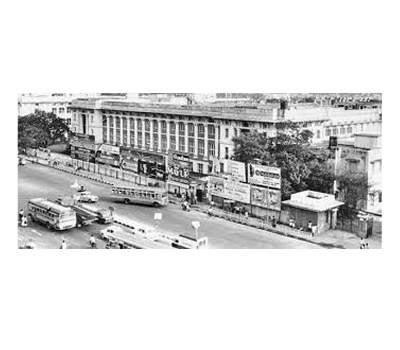
Government General Hospital, Madras in 1980s
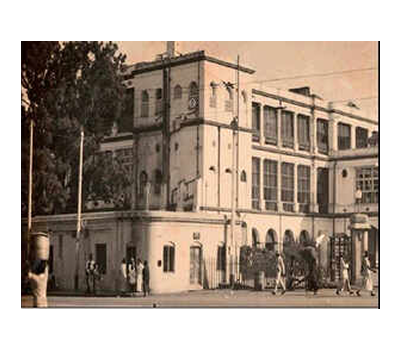
In 1835, the private medical hall run by Dr. William Mortimer was regularised as the Madras Medical School.
Icons of Women Empowerment
- The first female student doctor in the world graduated in 1878 from this college...
- Even as the British medical schools shut their doors...
- The General Order of Government No.6 passed on January 11, 1875...
- The first batch of women — Mary Ann Dacombe Scharlieb, S Mitchell, D White and M Beale — joined the 1875–76 session...
- In 1878, all four graduated with a certificate of completion...
- At least three decades before Mary got her licence...
- The first Indian woman to join the course was Krupabai Khisty...
- Another common distortion of history is about Dr. Muthulakshmi Reddy...
- In 1827, when Mortimer became the superintendent...
- When a systemic plan of medical education was being conceived...
Trailblazing Women from MMC
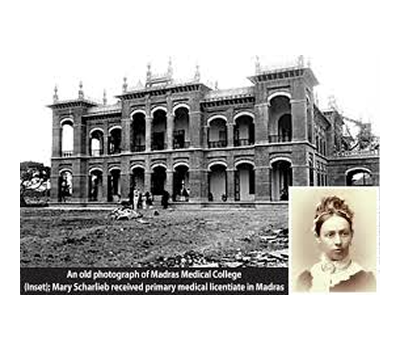
Dr. Mary Scharlieb
Among the first British women to graduate in medicine at MMC.
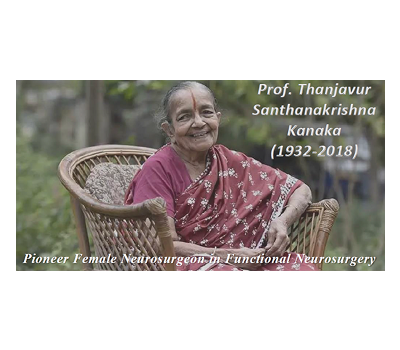
Dr. T. S. Kanaka
India’s first female neurosurgeon.
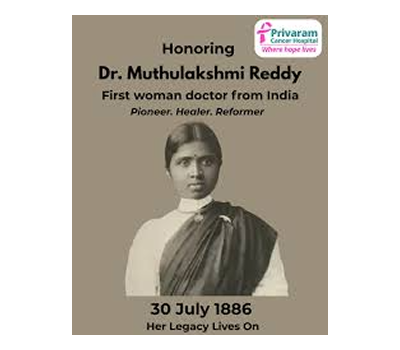
Dr. Muthulakshmi Reddy
First woman legislator, social reformer, founder of Adyar Cancer Institute.
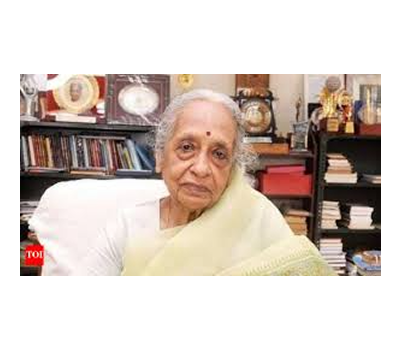
Dr. V. Shanta
Icon of oncology, long-time leader of Cancer Institute, Chennai.
Military and National Service
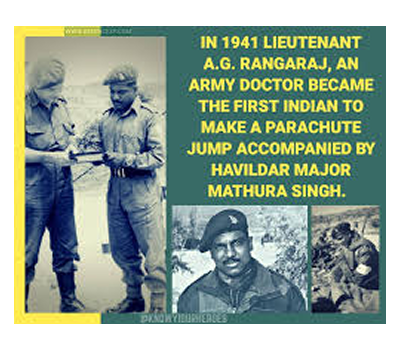
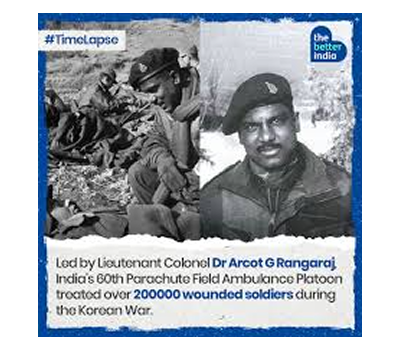
Dr. A. G. Rangaraj — India’s first parachute-trained doctor and first medical paratrooper.
Notable Alumni in Science and Society
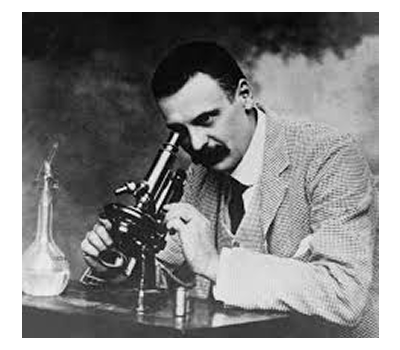
Lt. Col. Charles Donovan — Irish physician and parasitologist who discovered *Leishmania donovani*.
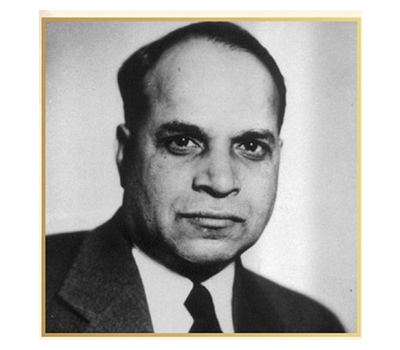
Dr. Yellapragada Subbarow — Biochemist who discovered tetracycline and methotrexate.
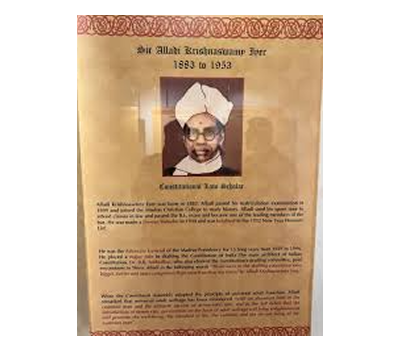
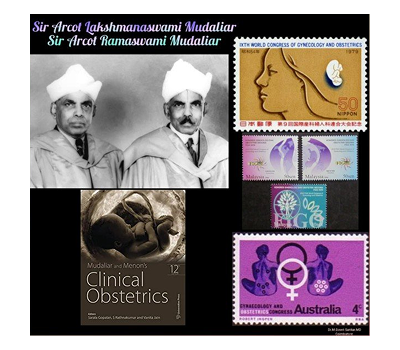
Dr. A. L. Mudaliar — Eminent obstetrician, Vice-Chancellor of Madras University.
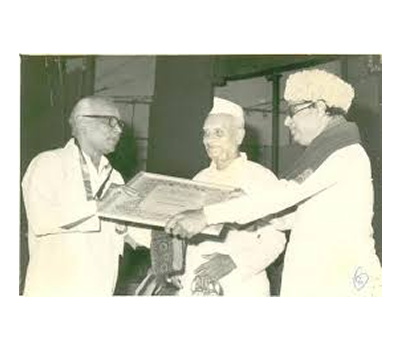
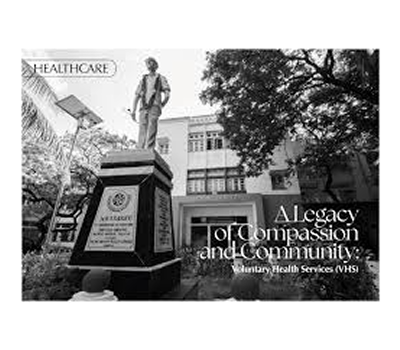
Dr. K. S. Sanjivi — Founder of Voluntary Health Services (VHS), model for community healthcare.
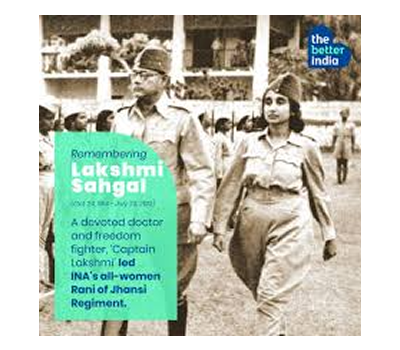
Dr. Lakshmi Sahgal — Indian National Army commander, freedom fighter, and physician.
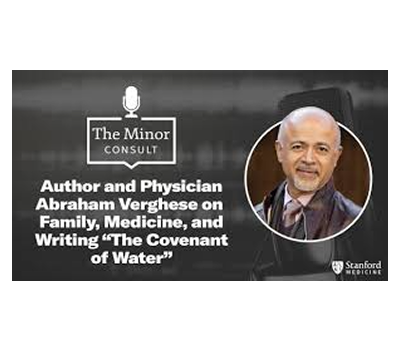
Dr. Abraham Verghese — Acclaimed author and physician, Professor at Stanford University.
Legacy and Modern Impact
- For nearly two centuries, MMC has produced pioneers, reformers, scientists, and national leaders.
- Its alumni’s contributions span medicine, social reform, military service, and global research — shaping healthcare worldwide.